
Cabomba Pond Plant - Care & Grow Guide

by Tory Jon | Last Updated: November 16, 2022
Pond Academy is reader-supported. Buying through links on our site may earn us an affiliate commission. As an Amazon Associate I earn from qualifying purchases.

Cabomba is a beautiful aquatic plant that you’ll often find in ponds, water gardens, and especially aquariums!
Also known as Carolina Fanwort, Cabomba is extremely popular due to its ornamental appearance and ease of care. It features fan-shaped leaves, and in summer, you’ll notice white flowers emerging from the plant, sometimes breaking the surface of the water.
Cabomba can help improve water quality by converting carbon dioxide into vital oxygen, which is especially important if you have pond fish like koi, goldfish, etc. Plus, it will help consume and reduce nitrogens in the pond water, which are toxic to fish and fuel algae growth.
Invasive Potential: Moderate. Cabomba is usually Cabomba caroliniana, or Carolina fanwort. It is an aquarium and pond plant that can be regulated or considered invasive outside its native range, so check your state agriculture or natural resources agency before buying or planting it.
The USDA National Invasive Species Information Center notes that aquatic plants can invade freshwater environments, including ponds, wetlands, lakes, rivers, and irrigation systems. Never release unwanted pond plants, roots, seeds, rhizomes, or trimmings into lakes, rivers, streams, wetlands, drainage ditches, storm drains, or natural ponds.

Scientific Name
Cabomba caroliniana
Invasive Potential
Moderate
Common Names
Fanwort, Carolina fanwort, green cabomba, and fish grass
Plant Type
Submerged pond plant
Light Requirements
Full sun to partial shade
Hardiness Zones
USDA Zone 6 – 13
Bloom
May through September
Grow Up To
From 10 inches to over 6 ft. tall in the right conditions
Flower Color
White, yellow, pink, purple
How to Plant Cabomba in a Pond
To plant Cabomba in a pond, simply attach weights to the bunch and submerge them in the pond. The weights ensure the plants sink to the bottom of the pond, from where they grow upwards to the surface. You can also tuck the stems of the plant into the bottom sediment of your pond. It is best to anchor the plants in 1-2 inches of the substrate, so they don’t float back to the surface.
Cabomba thrives in various planting media – aquarium gravel, muck, loam, or even aquatic soil.
For best results, ensure a minimum spacing of 1 inch among Cabomba plants. This will prevent any direct nutrient competition among them.
Get Our Best Pond Tips Sent to Your Inbox for Free!
Join thousands of others and learn from our decades of pond building and maintenance experience! Your pond will thank you!
By subscribing you agree to receive emails from PondAcademy.com. We will always respect your privacy and you can unsubscribe at any time.
Cabomba Care Guide
Cabomba is easy to grow and care for, but it's also a fast-growing plant, so you'll want to keep it under control by trimming it regularly, making sure to discard the cuttings outside and away from the pond.
It is also recommended to prune and trim the leaves and flowers of your Cabomba plant as soon as they turn brown. Removing and discarding these parts will minimize your pond's excess organic material.
Cabomba can be left in the pond over winter, as it will simply grow dormant and grow back in Spring. Be sure to trim off any dead foliage and trim the plant down before winter sets in.
Responsible Disposal
Never release cabomba plants, roots, seeds, rhizomes, or trimmings into lakes, rivers, streams, wetlands, drainage ditches, storm drains, or natural ponds. Do not dump pond or aquarium water containing plant fragments into natural waterways.
Cabomba pieces can drift away during pruning. Net out trimmings immediately, dry and bag them, and never rinse loose stems into a ditch, creek, storm drain, or natural pond.
Cabomba Care Card
Download our free printable care card for the Cabomba plant! Click the care card below and save the PDF file to your computer. You can easily print off the 3x5 care card or access it right from your phone. Get all the important information you need to keep your Cabomba plants healthy and happy!
Plus, we provide a blank card for you to print and fill out yourself. Print it as many times as you like to create cards for all your plants!
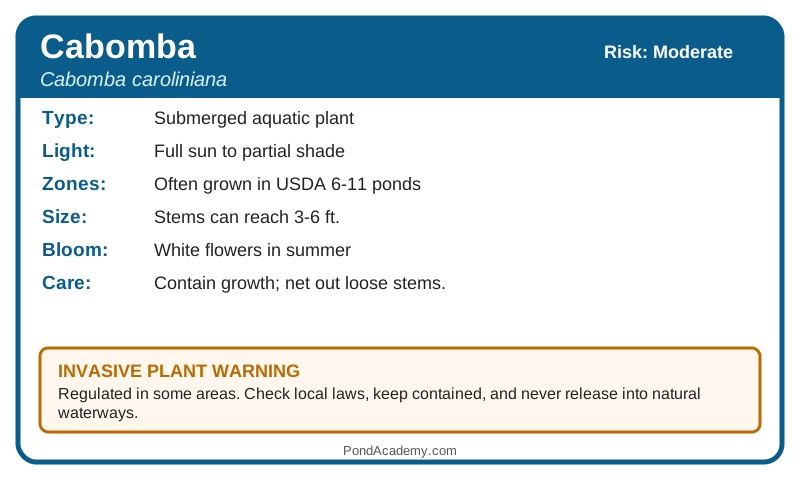
Pond Plant Care Card Set
Get the full printable set of 23 pond plant care cards in one PDF. The cards are formatted for quick reference on your phone or easy 3x5 printing.