

Umbrella Palm Pond Plant - Care & Grow Guide

by Tory Jon | Last Updated: November 16, 2022
Pond Academy is reader-supported. Buying through links on our site may earn us an affiliate commission. As an Amazon Associate I earn from qualifying purchases.

Umbrella Palm, often referred to as just "palm" or sedge, is a tropical pond plant that is super easy to grow and care for.
This tropical plant features long stiff stems and leaves that fan out, mimicking the look of an umbrella. This impressive plant's height will make it stand out, sometimes reaching 5-plus feet! If that's too much for your pond area, a dwarf umbrella palm reaches about 2 feet tall.
Remember, since this tropical plant is hardy in zones 8 - 10, it will thrive in warmer climates and must be brought inside over winter.
Invasive Potential: Moderate. Umbrella palm is often sold under Cyperus alternifolius, Cyperus involucratus, or similar nursery names. Verify the botanical label because different Cyperus species may behave differently outdoors.
Grow it in a pot or lined bog pocket, clip seed heads before they mature, and keep roots and seeds away from wetlands, storm drains, and flood-prone pond edges. Use USDA aquatic invasive plant guidance as a starting point and confirm current requirements with your state agriculture or natural resources agency. Never release unwanted pond plants, roots, seeds, rhizomes, or trimmings into lakes, rivers, streams, wetlands, drainage ditches, storm drains, or natural ponds.

Scientific Name
Cyperus alternifolius or Cyperus involucratus (nursery naming varies)
Invasive Potential
Moderate
Common Names
Umbrella plant, umbrella papyrus, palm, or sedge
Plant Type
Marginal pond plant/bog plant
Light Requirements
Full sun to partial shade
Hardiness Zones
USDA Zone 8 - 10
Bloom
July through August
Grow Up To
5 ft. tall
Flower Color
Brown
How to Plant Umbrella Palm in a Pond
Umbrella Palm is best planted in pots with potting media and a thin layer of small gravel on top (to keep the media from floating out into your pond) and placed around the marginal areas of your pond in up to 6 inches of water. Make sure it's in a spot that gets ample sunlight. Planting in a container will make it easy to control growth and remove the plant to overwinter.
Get Our Best Pond Tips Sent to Your Inbox for Free!
Join thousands of others and learn from our decades of pond building and maintenance experience! Your pond will thank you!
By subscribing you agree to receive emails from PondAcademy.com. We will always respect your privacy and you can unsubscribe at any time.
Umbrella Palm Care Guide
Umbrella Palm plants require very little maintenance if you plant them in potting containers (which will help control their growth).
You will still need to trim their roots from time to time. This can be easily done by removing the aquatic pots from your pond, removing the plant from the pot, and using a handsaw to cut the root ball in half (or dividing the plant into two). You can now add both plants back into your pond or give one to a friend.
Umbrella Palm is not cold-hardy, so it must be brought indoors and placed near a window to receive sunlight.
Responsible Disposal
Never release umbrella palm plants, roots, seeds, rhizomes, or trimmings into lakes, rivers, streams, wetlands, drainage ditches, storm drains, or natural ponds. Do not dump pond or aquarium water containing plant fragments into natural waterways.
Dry and bag stems, seed heads, roots, and rhizome pieces. Do not dump soil or water containing umbrella palm fragments into natural waterways.
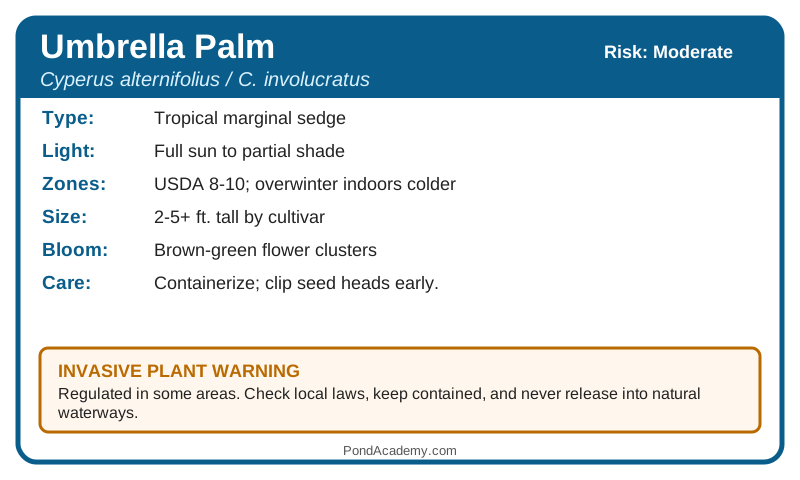
Umbrella Palm Care Card
Download our free printable care card for Umbrella Palm! Click the care card below and save the PDF file to your computer. You can easily print off the 3x5 care card or access it right from your phone.
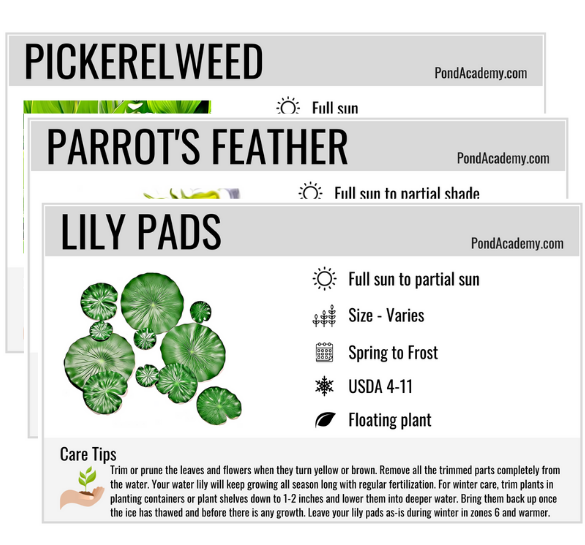
Pond Plant Care Card Set
Get the full printable set of 23 pond plant care cards in one PDF. The cards are formatted for quick reference on your phone or easy 3x5 printing.


%20in%20a%20pond!%20Plus,%20learn%20how%20to%20properly%20care%20for%20Umbrella%20Palm%20throughout%20the%20year%20and%20much%20more!)